How to Choose a Hokkaido Day Tour
Hokkaido is the size of Austria. What you are really choosing is which two hours of driving you are willing to do, and what you want to be looking at when the bus finally stops.
First, decide which direction you are driving
Every tour on this page is a wheel spoke out of Sapporo, and the four spokes barely overlap.
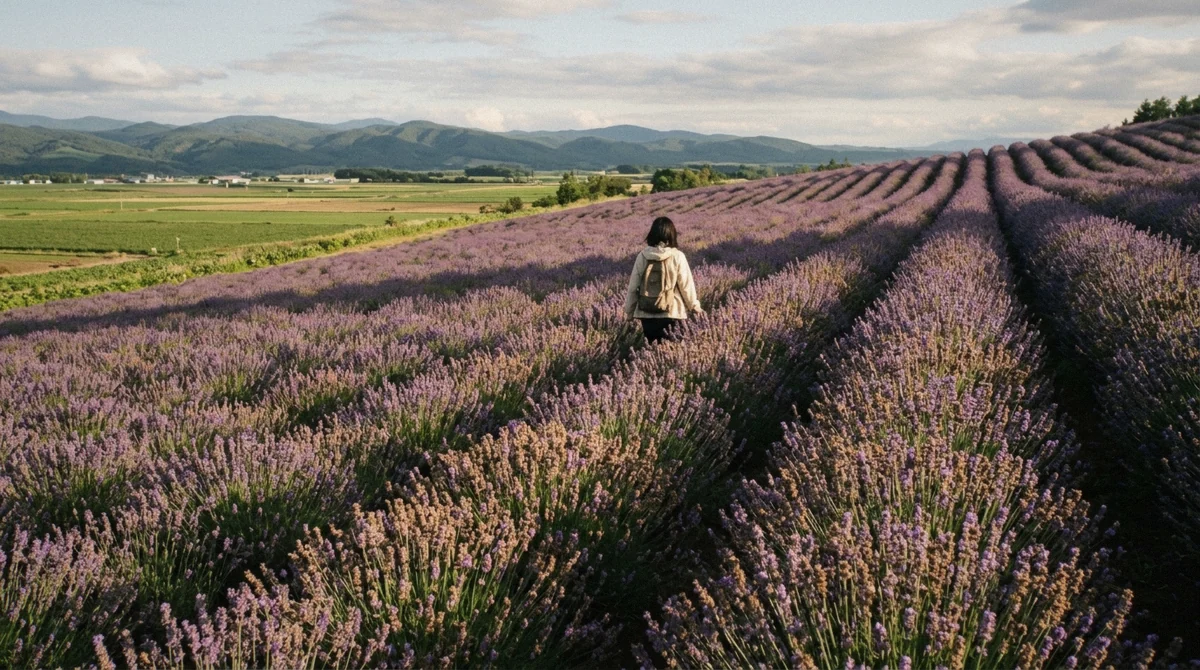
North-east, two to two and a half hours: Asahikawa and the Biei-Furano hills. This is the flower country and Asahiyama Zoo, and it is where five of the nine tours go. The drive is the price of admission: on a ten-hour day you spend four to five hours in a seat.
West, an hour and a quarter: Otaru and the Shakotan Peninsula. Shorter driving, and the only saltwater in the catalog. The Cape Kamui day reaches the cliffs; the ski day stops at Asarigawa, twenty minutes short of Otaru itself.
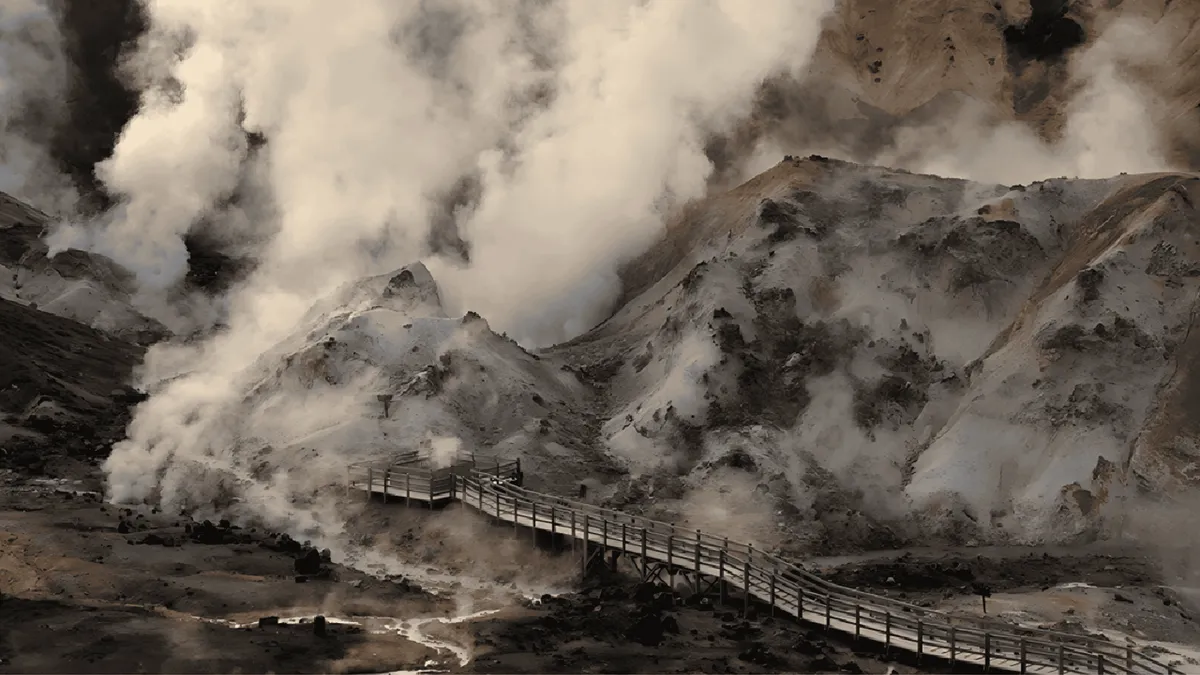
South, roughly two hours: Noboribetsu, Cape Chikyu and Lake Toya, all inside Shikotsu-Toya National Park. Volcanic steam, a caldera lake, an active cone with a ropeway up it.
Inside greater Sapporo: the city day never leaves the metropolitan area, which is why it fits six stops into ten hours while the northern tours fit four.
If you have one free day, take the direction you cannot easily do on your own. If you have three, take one from each and you will have seen the four faces of southern Hokkaido without repeating a landscape.
Check whether you are met or collected
This decides your morning more than the itinerary does. Only two of the nine listings include hotel pickup: the Noboribetsu circuit and the Sapporo city day, both from the Sapporo TV Tower or the Sapporo Tokyu REI Hotel. The Biei van collects from hotels within three kilometres of Sapporo Station between 07:30 and 08:00, which covers most of the central hotel belt but not Susukino's southern edge.
Everything else is a meeting point. The winter zoo day forms up at the Sapporo TV Tower information centre at 07:50 behind a white EasyGO flag. The ski day meets in the bus parking lot at the north exit of Sapporo Station, where construction has moved the pin more than once. The H.I.S. seasonal coach leaves from the ANA Crowne Plaza between 08:15 and 08:30.
Every one of these operators writes the same sentence in different words: the bus leaves on time and does not wait. Two of them state that a no-show forfeits the fare with no refund.
Coach, van, or something in between
A full-size coach carries forty-odd people, which means forty people filing off at a 20-minute photo stop and forty people finding the toilet. It is also why the coach days are cheap.
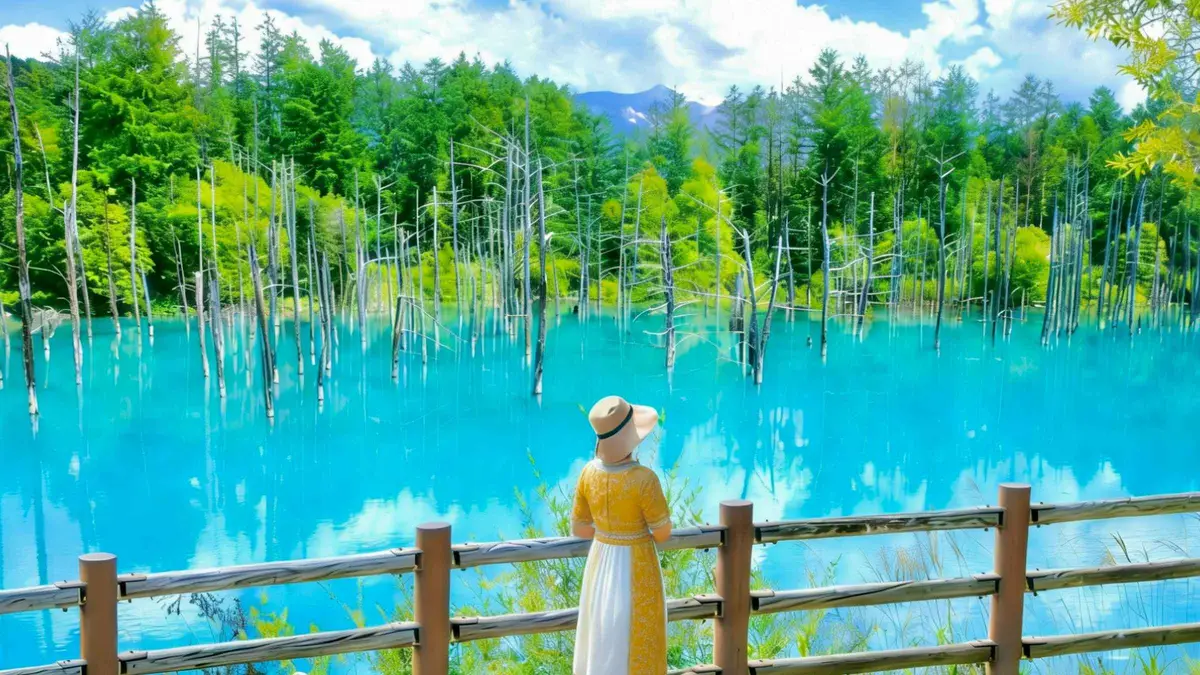
The Biei flower van is the exception here: nine seats, one driver who also guides, and enough flexibility that reviewers mention being given extra time rather than being counted back on board. Susanna from Italy, who went on 27 July 2026, wrote that there was "enough time to properly visit both flower fields, the lake and the waterfalls", which is not the usual verdict on a ten-hour flower day.
Several listings hedge the difference. Both Japan Holiday Travel tours and the Clover Travel zoo day say that when numbers are low the vehicle drops to a van and the driver gives basic commentary instead of a guide giving a tour. On the winter zoo day the listing is blunt about it: on a Hiace departure, "professional tour leader or guide service is not provided".
Read the language line, not the flag icon
All nine run in English, but English means different things here. The Furano coach guides in English, Chinese, Japanese and Korean, which in practice means each announcement four times. The Cape Kamui day states that on small departures the driver doubles as guide and that the group may be mixed-nationality.
Travellers do not seem to mind. Siddhartha from Japan, on 20 July 2026, wrote that it was "impressive he could speak three languages and also made all of us feel so welcome". The thing to calibrate is commentary volume: if you want a guided lecture on Ainu history and volcanic geology, a four-language coach is not the vehicle for it.
Then check what the day actually costs
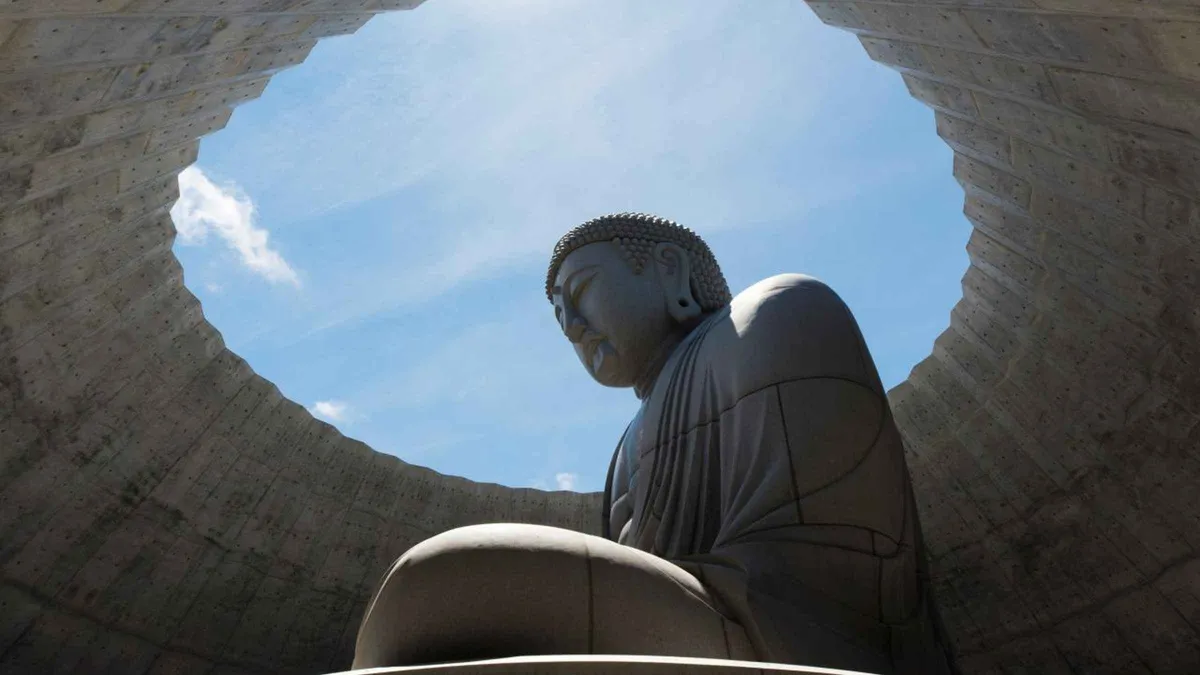
The sticker price and the day price are different numbers on six of these nine tours. The Sapporo city day is the sharpest example: $46.59 buys the bus and the guide, and then the Hill of the Buddha wants 1,000 yen at the door, the seafood market wants whatever your bowl costs, and Jozankei wants the price of a coffee while you soak your feet.
Against that, the Asahiyama Zoo day at $47.91 has the 1,000-yen zoo ticket inside it, and both flower tours cover the 800-yen Shikisai-no-Oka gate. Work it out per day rather than per listing and the ranking moves. The full fee list is below.
 Hokkaido Tours